

As of November 25, 2026
Eleven days. That is how long it took for Jensen Huang’s abrupt resignation to turn into a return as Nvidia CEO. The co-founder who has led Nvidia at the center of the artificial intelligence boom is back in the CEO chair—and the stock market just added more than $1 trillion to the company’s market value in response.
If you have been trying to keep up with the whiplash between Silicon Valley, Washington, and the stock market over the past two weeks, here is a clear roundup of what happened, why it matters, and what comes next.
What Happened
On Monday, November 23, 2026, Nvidia’s Board of Directors announced it had voted unanimously to reinstate Jensen Huang as President, CEO, and a member of the board, effective immediately. The decision reversed his abrupt November 12 resignation. TIME reports that Huang stepped down after acknowledging an extramarital affair with Alice Huang (no relation), a Chinese national whom U.S. intelligence officials reportedly suspected was a Chinese spy, and whose former company, Megaspeed, is under criminal investigation over possible export-control violations. For background on how the probe began, see our earlier coverage of the Nvidia investigation.
In its Monday statement, Nvidia’s board said it reached the decision after discussions with Huang and after receiving input from senior levels of the U.S. government indicating that his return would not create a national security risk. Board chair Harvey C. Jones said the board is satisfied with Huang’s candor and ability to lead, while thanking CFO Colette Kress for serving as interim CEO.
Behind the scenes, the White House played a vocal role. President Donald Trump told CNBC that he helped push the deal through, and White House communications director Steven Cheung confirmed Trump was involved. The Guardian also noted a Semafor report saying Trump dialed into Nvidia’s Sunday board meeting to advocate for Huang’s return. Back at Nvidia’s Silicon Valley headquarters, employees greeted Huang with cheers, where he told staff, “I’m going to be a better CEO the second time around.”
Why It Matters
Few companies carry the kind of weight Nvidia does right now. Its advanced chips power AI models built by major tech firms including OpenAI, Anthropic, and Google. When Huang stepped down on November 12, uncertainty rippled through tech stocks and stoked fears of a broader AI-driven market slump.
His return flipped that sentiment overnight. Nvidia shares jumped more than 30% on Monday—reported at 32% by The Guardian—restoring over $1 trillion in market value and pulling the wider market upward. Supporters across Silicon Valley, including OpenAI’s Sam Altman and SpaceX’s Elon Musk, welcomed the move.
Just days before Monday’s reversal, Nvidia’s board had signaled at its November 17 earnings call that it did not intend to reinstate Huang. TIME quotes an analyst saying the reinstatement before the investigation ended will add to corporate governance questions investors have.
What’s Next
Huang’s return to his desk does not mean the scrutiny is over. Nvidia confirmed that its independent board committee investigation into the alleged foreign intelligence effort is continuing. The company has also set up a new National Security and Export Control Committee made up of independent directors and is recruiting a Chief Compliance Officer.
Meanwhile, Washington is preparing for a series of high-profile hearings:
- December 1, 2026: Huang has agreed to a transcribed interview before the House Intelligence, Foreign Affairs, and China committees.
- December 3, 2026: He has been asked to appear at a public Senate hearing.
- Ongoing demands: Democratic lawmakers, including Sen. Jack Reed and Rep. Greg Casar, are calling for full disclosure of communications between Huang, Nvidia’s board, and the White House, as well as sworn testimony.
For investors, tech watchers, and policymakers alike, the next few weeks will test whether Nvidia’s new oversight structure can satisfy Washington—and whether the AI market’s biggest comeback story can weather what comes next.
Sources
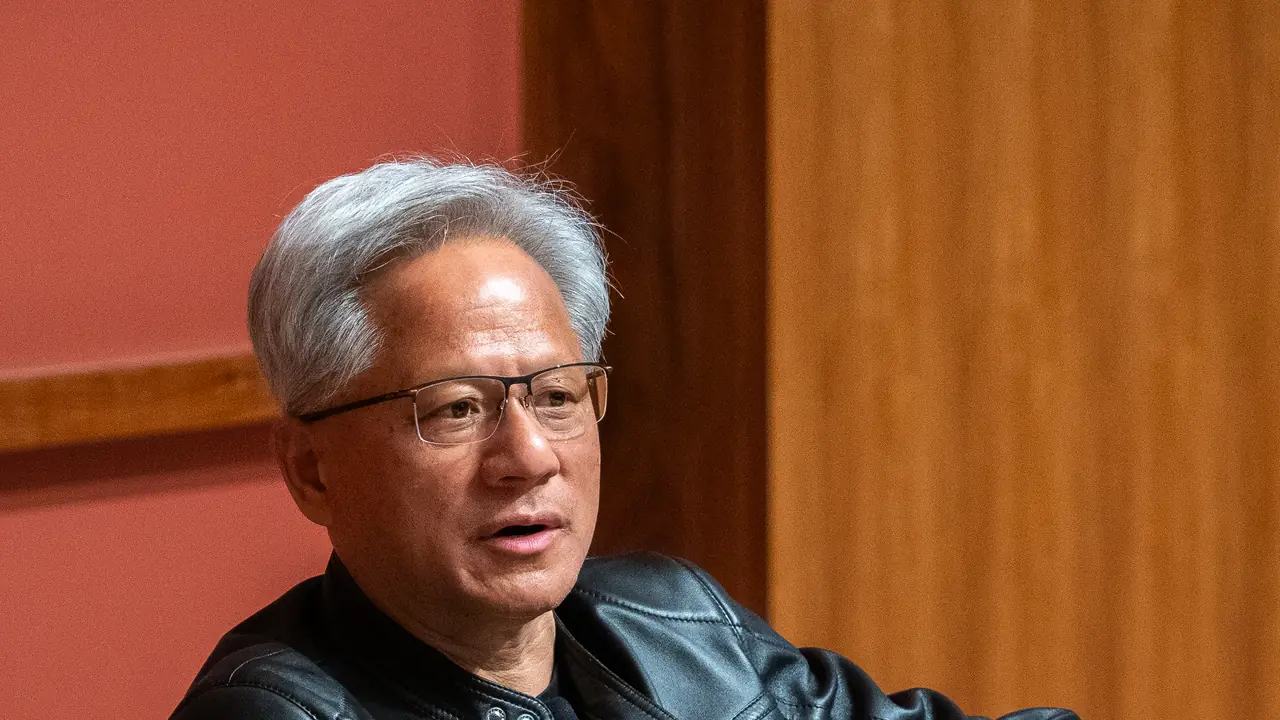
Image: Jensen Huang at a Stanford event, April 2026. Photo: Anders Eidesvik, CC BY 4.0, via Wikimedia Commons.