
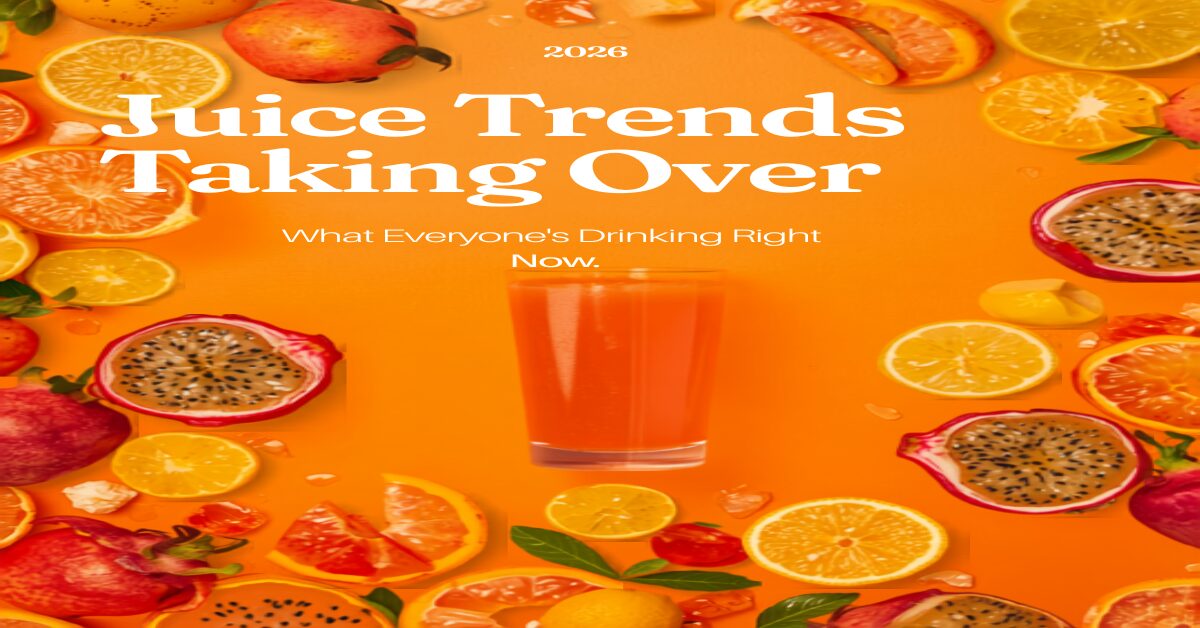

Forget the sad little cup of orange juice sitting next to your breakfast. Juice trends 2026 have brought drinks that look nothing like the stuff we grew up with — magenta-pink colours, ingredients you’ve never heard of, and a whole lot less sugar than before. Walk into any café or scroll any food account right now and you’ll see it everywhere. Here’s what’s actually going on.
“Clean” doesn’t mean boring anymore
For years, healthy drinks meant flavorless drinks — you sacrificed taste for virtue. That’s flipped. People now want a juice that’s good for them and tastes like something worth finishing. Brands are leaning into bold, unusual flavor combos instead of hiding behind “natural” labels, because shoppers are actually reading ingredient lists these days and know the difference between real fruit and flavoring dressed up to look like it.
Gut health is the new immunity boost
A couple of years ago every drink on the shelf was shouting about vitamin C and immunity. Now the conversation has moved to your gut. Probiotic and prebiotic drinks are popping up everywhere, and juice brands are following the same playbook — adding live cultures or fiber-rich ingredients like sea moss into fruit blends instead of just relying on sugar and citrus to sell the bottle. Some are even dabbling in adaptogens for stress and focus, which sounds a bit much until you realise it’s basically the juice version of a matcha latte. Forbes recently dug into whether these functional drinks actually deliver, and the short version is: it depends on the dose and how consistently you drink them.
Asian citrus is finally getting its due
Calamansi and yuzu used to be the ingredients you only found if you knew where to look. Not anymore. Their sharp, slightly perfumed sourness is turning up in juices and mocktails well beyond Asia, mostly because they do something regular lemon or lime can’t — they taste bright without tasting one-note. If you’ve had calamansi juice growing up and thought nothing of it, turns out the rest of the world just caught up to you.
That eye-popping pink color? Dragon fruit.
Half the reason dragon fruit juice is everywhere isn’t the taste — it’s genuinely mild — it’s the color. That saturated magenta from red pitaya photographs incredibly well, which matters a lot when half of us are deciding what to order based on what looks good in a photo first. Expect to keep seeing it blended into other juices just for the visual pop.
Less sugar, more control
The biggest shift might be the quietest one: people are asking for less sweetness, full stop. That’s part of why frozen fruit is winning over concentrate — freezing keeps more of the fruit’s real aroma and natural sugar intact, so you don’t need to add as much sweetener to make it taste good. It also means juice bars can let you dial the sweetness up or down instead of serving one fixed, oversweet recipe to everyone.
So what does this mean for you?
You don’t need to chase every trend to eat and drink well — but if you’re bored of the same old apple or orange juice, this is a good excuse to branch out. Try a calamansi-based drink, look for something with visible whole fruit instead of concentrate, or just pay attention to how much sugar is actually in what you’re sipping. If you want to take it further, we’ve also put together some tips on building healthier eating habits that pair well with a juice refresh. Small swaps, better mornings.